EPA, Chemical Board Encourages Hurricane Preparedness Across Southeast
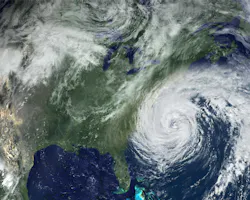
With the hurricane season officially starting on June 1, the EPA is asking business, state and local officials and residents to take proactive steps to prepare for potential hurricanes, flooding, and severe weather events.
Advance planning and preparedness can help protect lives, property, infrastructure, and the environment before storms make landfall.
“Preparation remains one of the most effective tools communities have during hurricane season,” said EPA Region 4 Administrator Kevin McOmber in a statement.
“Taking steps now to secure homes, safeguard hazardous materials, and strengthen emergency response plans can help reduce risks to public health, protect the environment, and support faster recovery efforts after a storm.”
The agency also reminds facility operators of their responsibilities to prevent, minimize, and report chemical releases that may result from severe weather and storm-related flooding.
EPA’s hurricane preparedness resources provide guidance for:
-
Preventing and reporting chemical releases during severe weather
-
Preparing drinking water and wastewater utilities
-
Managing storm debris safely and effectively
-
Protecting communities and emergency responders from environmental hazards
Because hurricanes can often be tracked days before landfall, EPA encourages facilities and communities to use that time to implement protective measures and emergency response procedures.
Explore EPA’s central hub for hurricane and disaster preparedness information.
The U.S. Chemical Safety and Hazard Investigation Board (CSB) also weighed in and is urging chemical facilities to prepare now to prevent major chemical releases that could result from high winds and other extreme weather events during the season.
The industry group noted that although the National Oceanic Atmospheric Administration (NOAA) has predicted a below- normal hurricane this season, the threat posed by severe storms still exists.
“Although the prediction is for a below-normal hurricane season, it only takes one bad storm hitting one unprepared facility to lead to a catastrophic chemical incident,” said CSB Chairperson Steve Owens, in a statement.
Preparation
Adequate preparations by chemical facilities are critical to ensure the safety of workers, emergency responders, and surrounding communities.
Top priorities for limiting the impact of severe weather continue to be:
- Securing Hazardous Materials,
- Ensuring Backup Power for Critical Safety Systems,
- Training Personnel on Emergency Protocols, and
- Coordinating with Local Emergency Management Authorities
“Preparation is key to minimizing the effects of extreme weather on chemical facilities. Facilities must not let their guard down against these hazards, or the consequences may be dire,” said CSB Board Member Sylvia Johnson.
Serious Accidents due to Poor Planning
The CSB has investigated serious chemical incidents caused by ineffective planning prior to hurricanes and other extreme weather events. The findings from two past incidents in particular highlight significant vulnerabilities at facilities during a hurricane:
In August 2017, Hurricane Harvey severely damaged Arkema’s chemical facility in Crosby, Texas, leading to the decomposition of organic peroxides and a major fire after backup power failed and refrigeration systems flooded. Massive fumes and smoke were released during the incident. All of Arkema’s employees were evacuated from the facility, as were more than 200 residents living nearby who could not return home for a week. Twenty-one people sought medical attention from reported exposures to the fumes and smoke.
In August 2020, Hurricane Laura severely damaged the Bio-Lab Lake Charles facility in Westlake, Louisiana. On the day of the incident, over 1 million pounds of trichloroisocyanuric acid (TCCA), a highly reactive chemical, were on-site at the facility. The Category 4 hurricane’s strong winds damaged buildings at the facility, including tearing off roofs. Rainwater from the storm contacted the TCCA stored inside the buildings, initiating a chemical reaction, that -- compounded by failed generators and fire suppression systems -- initiated a fire and released a large plume of hazardous gases, including toxic chlorine, from the facility. A portion of nearby Interstate 10 was closed for over 28 hours, and local officials issued a shelter-in-place order for the surrounding community. Bio-Lab subsequently spent $250 million rebuilding the facility.
Resources
Key materials prepared by the CSB that address hurricane preparation include:
- Extreme Weather, Extreme Consequences: CSB Investigation of the Arkema Crosby Facility and Hurricane Harvey
- Arkema, Inc. Final Investigation Report
- Bio-Lake Charles Final Investigation Report
- Fire from the Storm: Chemical Release at Bio-Lab – Safety Video
- Caught in the Storm: Extreme Weather Hazards – Safety Video
In addition to these resources, the Center for Chemical Process Safety (CCPS) has also published a document titled CCPS Monograph: Assessment of and Planning for Natural Hazards. This document provides a practical planning and readiness tool for companies to follow to prepare for severe weather such as hurricanes.