5 Essential Lone Worker Training Programs That Prevent Injuries and Save Lives
Key Highlights
- There are an estimated 53 million employees in the United States, Canada and Europe who are classified as lone workers, meaning they work in the field, remotely or by themselves.
- These individuals often don’t have others they can turn to quickly in case of emergencies. As a result, they are responsible for caring for themselves, even if they get hurt on the job.
- Lone workers, therefore, need additional ongoing training and check-ins to make sure they are minimizing risk, aware of their ever-changing environments, not under duress, and are maintaining their mental health in the face of loneliness.
Imagine this: A maintenance technician has performed the same equipment inspection hundreds of times. Pressed for time and confident in their routine, they skip a lockout/tagout step they normally follow. Nothing happens most days—but the one time that conditions change, the risk becomes real.
Situations like this illustrate how safety isn’t just about knowing procedures; it’s about consistently practicing the behaviors that keep workers protected. Consistency is paramount because all it requires is one missed step for an incident or injury to occur.
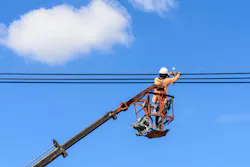
Regular and reliable consistency in work safety is especially crucial for lone workers, those people working alone and those who operate in isolation in the field or remotely in vulnerable circumstances.
To effectively instill beneficial safety behaviors into lone workers for long-term learning and retention, regular and tailored safety training will help them retain specific valuable skills and knowledge.
Who is responsible?
Under Occupational Safety Health Administration’s (OSHA) General Duty Clause, employers are responsible for providing a workplace “free from recognized hazards” that could cause serious harm or death. For lone workers, employers must provide proper preventative safety training, clear protocols, and the tools and technology they need to perform their jobs safely when help is not readily available.
To help support lone worker training, supervisors play an important role by modeling procedures and behaviors as well as setting standards, such as treating missed check-ins or hazard reports as safety signals rather than performance failures; this helps employees feel supported instead of monitored.
But ultimately, the lone workers themselves are the final line of defense and are responsible for their own safety. They are responsible for following the protocols, using the lone worker tools correctly, and continuously assessing their environment for hazards and risks. Additionally, they are responsible for communicating hazards, near-misses, and changing conditions in the work environment before accidents can happen. Lone worker training also emphasizes reporting risks and asking for support as core safety behaviors.
Here are some specific concerns any lone worker safety program must cover to adequately prepare lone workers for the hazards and the conditions they can face, as well as identify the key areas of importance for organizations that must prioritize their safety training.
Effective safety training is really about behavior change. When a work accident occurs, there are usually other contributing factors involved, such as fatigue, environmental factors, human error, and unawareness of important safety hazards and protocols.
An important part of developing a workplace safety program is to identify the different kinds of work being done at your facility/facilities, then to focus in on the training those roles require.
This is especially true for lone workers because they need additional protocols to keep them safe. This also includes tailored training that addresses the special safety risks and challenges that people working alone can face without the support of a co-worker if they need help.
Lone worker training can help address the regulatory gaps that these workers experience; the Occupational Safety Health Administration (OSHA) currently does not have a specific safety standard or regulation protecting the millions of people working alone across the United States each day in essential industries, such as water and electrical utilities or health and social services.
Regardless of the task at hand, organizations have an obligation to prepare their lone workers to ensure they are capable of working alone safely in high-risk circumstances or environments. Organizations must constantly train, retrain, engage, reengage and refresh lone workers’ knowledge of safe procedures and best practices.
1. Emergency response and self-rescue training
A major risk that lone workers face is delayed emergency response times. When working alone, employees must know how to respond when emergency help is delayed—if anyone can come at all. They need to know how to manage their own panic, shock and decision fatigue during times of stress.
Fortunately, OSHA has several emergency preparedness recommendations, including proper worker training. Employers must communicate proper protocols to their lone workers for their role. This may require practicing mock emergency work scenarios and simulations or thorough site‑specific hazard assessments for high‑risk roles, such as field technicians who work alone frequently.
2. Hazard recognition and dynamic risk assessment
In addition to having the skills and training to respond to accidents effectively, lone workers must also know how to identify hazards and risks before an accident occurs and they are harmed.
Unlike people who work in teams, lone workers do not have the benefit of another set of eyes to catch safety hazards in the environment. Therefore, people working alone need to be trained to identify the different physical, environmental, and human-related hazards in their work environments and worksites. This includes hidden, potential, and inevitable dynamic safety hazards, such as violent public behavior, unpredictable weather shifts, or equipment malfunctions.
To address the complexities of these safety risks, a dynamic, comprehensive hazard assessment of the work environment is effective when stopping, reassessing, and adjusting plans in real time. This should be performed collaboratively with the employee and supervisor, as each will likely identify different risks needed for a complete hazard assessment.
3. Situational awareness and personal safety training
Similar to having the skills to identify risks in their environment, workers must also be able to objectively monitor their surroundings for notable changes that could impact their well-being. Lone employees can be trained to recognize the early warning signs of violence aggression or potentially dangerous situations in their particular field. They should also learn how to manage or identify distractions before they become a hazard (e.g., chronic fatigue, cell phone usage and routine complacency).
High-risk lone worker environments and situations, such as working in confined spaces, should be identified within an organization so that employees can be properly trained in early-exit strategies, verbal deescalation techniques and other proactive safety protocols. This is particularly valuable for individuals operating in high-risk, public-facing lone worker environments, including utility workers and telecom technicians.
4. Communication, check-in and escalation training
Because lone workers cannot rely on the immediate help of a nearby co-worker, they must practice safety skills and strategies learned from their training. They must also ensure there are strong, reliable communication systems and protocols in place that are essential for their safety—with backup communication channels and options if primary systems fail.
While check-ins can be performed manually, they are more reliable when performed through an automated system or lone work device that sends reminders to the worker to check in, as well as alerts the employer when a lone worker has missed a check-in; employers should emphasize these alerts are to ensure safety, not for disciplinary purposes.
These and other communication training requirements should be outlined in a lone worker policy, the enforcement of which can help reduce workplace accidents and ensure compliance with local and federal occupational health and safety regulations. Even though the Occupational Safety and Health Administration (OSHA) does not have a standard created specifically for lone worker safety, employers are still responsible to address remote work risks under Section 5(a)(1) of the Occupational Safety and Health Act or the General Duty Clause.
Employees working alone can be trained in specific, beneficial lone worker communication that includes learning the safety check-in system as well as writing concise, effective check-in messages that can relay helpful information in an emergency response. In these instances, it is important to distinguish between device training (i.e., panic button) versus procedural training (i.e., check-in schedules). It is important for all levels of the organization—from leadership and safety professionals to frontline employees and lone workers—to spend dedicated time focused on using these communication systems properly and under pressure to help prepare in the event of an emergency.
5. Mental health, fatigue and decision-making in isolation
The lack of communication that lone workers have with other people can lead to challenges that are not visible. These challenges extend beyond invisible physical risks, such as toxic gases or chemical hazards, and pose numerous emotional and mental risks.
Employees can be trained to self-identify early signs of fatigue, stress and cognitive overload to prevent an accident or burnout. These job burnout questions from the Mayo Clinic can be a helpful resource. Responsibly managing long shifts, night work and irregular schedules may require lone workers to proactively identify and manage potential emotional health issues in the future.
Likewise, managers and safety professionals can be trained to identify these risks in their lone workers. For example, managers and supervisors can fight worker fatigue by developing work schedules that incorporate breaks, fatigue awareness training and workload management. They should also check in on their lone workers—both regularly and individually—to see how they are managing emotionally.
Working in isolation for long periods of time can be lonely; this can increase cognitive and emotional strain on workers, which can affect their judgement and, therefore, safety. Shortly after former U.S. Surgeon General Dr. Vivek Murthy declared a loneliness epidemic, he quantified the effects loneliness and social isolation can have on our health. For example, loneliness can be as dangerous as smoking 15 cigarettes a day and cost billions of dollars annually.
Conclusion
Safety training helps employees and organizations prepare for all kinds of jobsite risks. Training workers on how to work alone safely requires additional considerations and preparations, as these workers are especially vulnerable.
Lone worker training is a collaborative process between managers and workers; it requires regular assessments and monitoring a much more dynamic safety environment. Lone workers must be trained to constantly assess, respond, and communicate independently to assure their safe outcomes. Lone worker well-being is not about reactive safety; rather, it is about anticipating risks and preparing for what threats could be ahead.
Read more:
 Dreamstime L 156300245
 lone_worker_safety
 Lone_worker_workplace_safety
 Dreamstime L 165458062
About the Author
Gen Handley
Gen Handley is a marketing and growth coordinator for SafetyLine Lone Worker, an automated, cloud-based lone worker monitoring service that has helped companies protect remote or isolated workers for more than 20 years. Gen has more than 10 years of freelance writing and marketing experience.