Rethinking Emergency Management for Lone Workers
Key Highlights
- Traditional emergency response management just doesn’t cut it for lone workers, who may be injured or distressed yet still need to administer their own rescue or treatment.
- Lone workers require additional training, preparations and technology to ensure they are safe—no matter what.
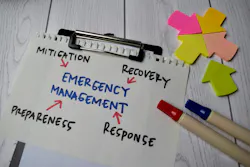
From hurricanes to tornadoes to earthquakes to wildfires to blizzards, North America is one of the few areas in the world where workers are at risk of facing almost every major natural disaster—and the occupational hazards that accompany them. Thanks to the continent’s diverse geography, as well as climate, there are a wide variety of emergencies that could potentially occur, especially for employees who work alone or in remote locations.
Lone workers perform essential tasks every day across nearly all industries, including utilities, healthcare, security and social services, and they are not limited to people in rural environments. A lone worker is defined as any employee who performs work by themselves or without direct supervision in circumstances where help is not easily available in an emergency.
According to the National Safety Council, there are an estimated 53 million lone workers in the United States, Canada and Europe—and that number is expected to increase in the coming years, thanks to advances in automation and organizations streamlining their workflows and staffing models.
The workers are more at risk of disasters, which can be categorized as either internal, facility-based incidents (e.g., power outages, cyberattacks or falls) or external events (e.g., transportation accidents, industrial incidents and natural disasters). These employees are at higher risk because they may lack similar access to emergency resources when they need them during an emergency.
Gaps in Traditional Emergency Response Management
Traditional emergency response can be ineffective to protect vulnerable lone workers from the unique safety risks they face, including much faster escalation and severity of medical and health events (e.g., heart attacks or strokes), accidents, violence and harassment, and, of course, natural disasters and environmental hazards with no co-workers or managers present to help. Standard emergency protocols that are designed for team environments can fail when the worker is isolated, resulting in prolonged delays in response times and a negative outcome for everyone.
If an emergency response plan or program is not reviewed or updated with the inclusion of separate lone worker emergency considerations and tools, the organization could experience several future issues and problems, such as:
- No co-workers or managers nearby to notice an injury or an emergency and provide help;
- Delayed or missed reporting of accidents, near-misses or harassment;
- Communication challenges and barriers in remote environments; and
- Missed manual check-ins and confirmation of the worker’s safety.
Fortunately, these scenarios are preventable with proper planning and proactive interventions.
4 Ways to Overcome Gaps in Safety Reporting
There are several proactive measures that organizations can implement ahead of time to identify and address problems with their current emergency response protocols and plans.
Update current programs and plans
Companies should review all current safety programs and policies (e.g., first aid and HazCom) that impact their lone employees and make any necessary updates, including the identification of weaknesses in current safety plans.
Identify opportunities for innovation
For people working alone and remotely, organizations must provide them with technologies and devices to keep them connected in isolated areas so they can request help in the event of an incident or emergency.
Explore potential training opportunities
Organizations can prepare their lone workers for emergencies by providing specialized training, such as working alone emergency response procedures, proper check-in protocols and risk assessments.
Practice and pilot your emergency response
Organizations can also practice emergency escalation procedures to ensure their employees understand the protocols and communications procedures as well as identify any issues beforehand.
The Role of Real-time Monitoring in Emergency Response
An emergency response plan for lone workers must focus on providing a strong line of connection for their lone employees during times of crisis. This can be achieved through compact, wide-ranging GPS-location enabled devices that can monitor workers’ movements and whereabouts. These devices can enable emergency SOS alerts and provide an accurate location to send medical help; detect falls and prolonged inactivity; and measure harmful levels of toxic gases, radiation and other substances in the worker’s environment.
With this, however, connectivity challenges can also come for lone workers during an emergency response, which also must be considered in the plan—particularly the hazard assessment segment. Potential challenges for lone workers can include:
- Weak, sporadic or no existing cellular coverage in work area;
- Offline or delayed communication with manager or safety monitor; and
- Long waits and slow processes for medical help.
Incorporating Lone Worker Safety into Emergency Management Programs
Additionally, emergency preparedness programs are becoming increasingly scrutinized for lone worker safety, as employers have a responsibility under OSHA to “provide a workplace free from serious recognized hazards.” Employers can support their real-time monitoring line with the integration of lone worker protocols into the current emergency response program by:
- Performing role-specific risk assessments;
- Establishing a check-in protocol or automated monitoring system;
- Defining clear escalation procedures for missed check-ins or alerts;
- Training workers on emergency reporting procedures; and
- Developing an emergency action plan for at-risk employees.
3 Emerging approaches to connected worker safety
When rethinking emergency management for solitary workers, there are several new emerging technologies that will effectively keep lone workers both engaged and safe during work emergencies and accidents.
Wearable safety technology
These innovations include smart and connected personal protective equipment (PPE) with biometric sensors, such as helmets, exoskeletons and work-fatigue monitoring wristbands.
Integrated safety management platforms
These digital systems bring together multiple safety technologies, data sources and operational processes in a centralized, more accessible platform.
Predictive analytics to spot risk
These technologies can anticipate potential safety incidents before they occur, allowing companies to identify dangerous patterns and trends that signal elevated risk for lone workers and intervene early.
The most effective strategy against lone worker emergencies is preparation. In addition to equipping employees with current safety technologies, any planning that is performed now will be beneficial later. Managers and supervisors should proactively search for safety resources and information that can prepare their lone teams for any potential risks.
Here are several free emergency resources companies can peruse to prepare their teams:
- Emergency Preparedness and Response – OSHA
- Emergency Management – Federal Emergency Management Association
- Emergency Response – U.S. Environmental Protection Agency
- Emergency Preparedness & Response – U.S. Department of Health & Human Services
Rethinking Emergency Response for a Growing Lone Workforce
As lone workforces and teams evolve and increase across industries, existing emergency plans must evolve and grow with them. Adoption of technology is an important part of that evolution, but the adoption of a more proactive mindset is also needed as well. A more proactive approach that focuses on hazard assessment and monitors the well-being of lone workers in real time allows for faster emergency response to their remote location.
Not only are connected lone workers more accessible to emergency services, they are also able to focus on their work knowing their safety is monitored. This impacts their quality of the work—and their peace of mind. That, alone, is worth updating your emergency response plan.
Read more
 female meteorologist presenting the weather for TV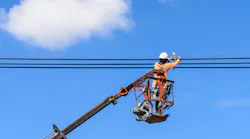
 lone_worker_safety
 Dreamstime L 156300245
About the Author
Gen Handley
Gen Handley is a marketing and growth coordinator for SafetyLine Lone Worker, an automated, cloud-based lone worker monitoring service that has helped companies protect remote or isolated workers for more than 20 years. Gen has more than 10 years of freelance writing and marketing experience.