A Blueprint for a Comprehensive Mental Health Program
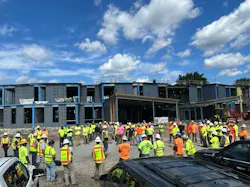
With the increased focus on ensuring that mental health concerns are part of a company's DNA, Shawmut Design and Construction has thoughtfully created a comprehensive program that has already proven successful.
And this program is a blueprint as other concerns arise in the mental health arena.
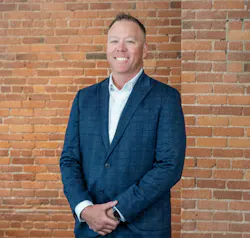
EHS Today talked with Shaun Carvalho, chief safety officer of Shawmut Design and Construction, who has over two decades of experience at the Boston-based company, about why the program works and what other companies can do to find the same success.
The following is an edited excerpt from the podcast.
EHS Today: How did your company devise a mental health strategy?
Carvalho: In 2010, we started with our first annual safety week. And we realized very quickly that safety is certainly not just about PPE. We opened up this opportunity for people to really talk about things that were important to them. And we got a variety of different ideas around the total person, on the job, in the office, in the workplace, at home, and in the community. The ideas ran wild, so we really started thinking about the total person. And that just opened the doors for so much learning and sharing of ideas.
As you think about all the different issues that affect us as we come to work every day, that's really what we're trying to help with, because ultimately people just need to feel safe and secure to be their best.
EHS Today: Let's talk about the opioid program that you did. What were the results and can this be a blueprint to deal with other substance abuse issues that might occur in the future?
Carvalho: As we were thinking about Safety Week for 2018, we started learning about the opioid epidemic that had been going on for some time. We didn't hear it through the traditional channels within the construction safety world.
We decided to bring in an expert on the topic for a presentation at Safety Week. And after the presentation, we had an outpouring of people asking how they could help.
Truthfully, I wasn't prepared for that. We had so many volunteers; we had to do something, so we created an opioid task force. This was a very large cross-functional team.
And as soon as our insurance carrier, Blue Cross Blue Shield, learned about this, they said they wanted to be part of this program as well, since not many people were doing enough in this space in construction.
The insurance company worked with us to create a job site pilot program where we provided training and issued Narcan toolkits.
Over the next year and a half, all of our superintendents, about 300 across the country, were trained and issued Narcan to bring back to their job sites.
You asked about a blueprint. We created one back in 2018 because we realized that people needed a jumping-off point. And so we created this blueprint. It's a one-page, pretty simple document. Understand the problem, understand your resources, access them, create some learnings, and deploy Narcan or Naloxone in the workplace with trained staff to respond.
EHS Today: In addition to your opioid program, can you talk about your efforts on the issues of suicide in your industry?
Carvalho: Shawmut helped to create the “We’ve Got Your Back” campaign with partnership from other construction managers and the support of Building Futures. The campaign aims to bring help directly to job sites in Rhode Island, creating a peer network for mental health and providing clinical support for construction workers experiencing substance use or mental health issues. Building Futures also provides peer and ally training.
We united with peers in the industry to create a Memorandum of Understanding for general contractors, trade partners, and unions to provide guiding principles and resources for mental health, suicide, substance use disorder awareness and prevention. Projects are now underway in Massachusetts with trained peers through a CPWR program. The hope is to continue this program across the country.
As part of the AGC MA CARE Construction Safety Program, Shawmut collaborated with other firms to develop a universal orientation that aims to drive consistency on all job sites and enables each tradesperson to understand their value and rights to a safe and dignified work environment.
Shawmut is the first to bring in peer training on the job. We've got ten trained peers, signage on the sites and hard hat stickers for every trained representative. They're trained in suicide, mental health, opioids- so really anything that you could be struggling with that day; they can find somebody and have a private talk.
And we're partnering with five of the largest general contractors in the country to look at this program more deeply, to work with American Prevention of Suicide Prevention Foundation, use them as a resource to launch this and push this across the country.
Resource: Shawmut's safety page
About the Author
 Adrienne Selko
Adrienne Selko
Senior Editor
Email [email protected]
Adrienne Selko is also the senior editor at Material Handling and Logistics and is a former editor of IndustryWeek.